Why SEO Scorecard Plugins Are Useless
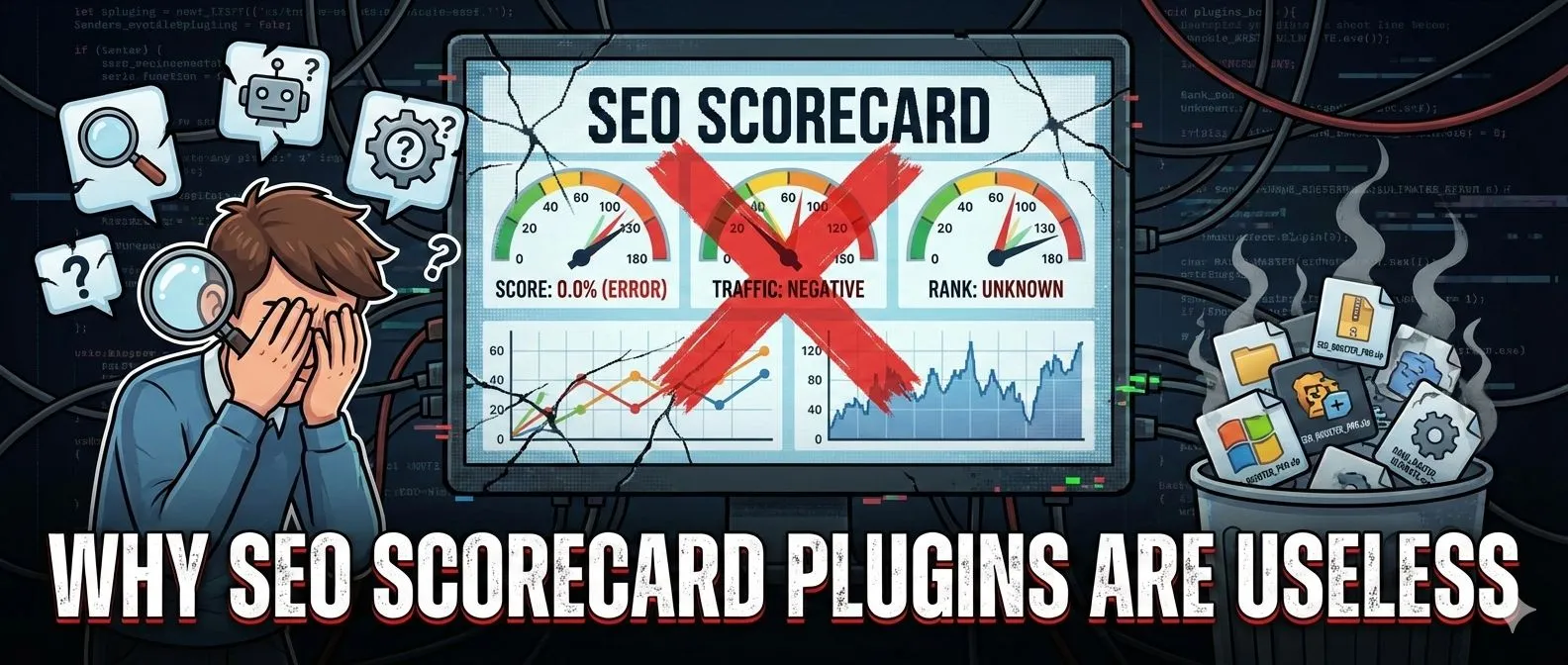
When I posted my first blog, I was obsessed with one thing: that little scorecard showing SEO scores from RankMath and Yoast.
I'd refresh the page, checking if I hit that magical green light. Started at 50. Felt like I knew nothing about SEO. So I dug deeper into keyword research, optimized everything I could think of, and still—nothing changed.
Then I added my keyword to a heading. Boom. 50 to 90. Red light to green. I thought I'd cracked the code.
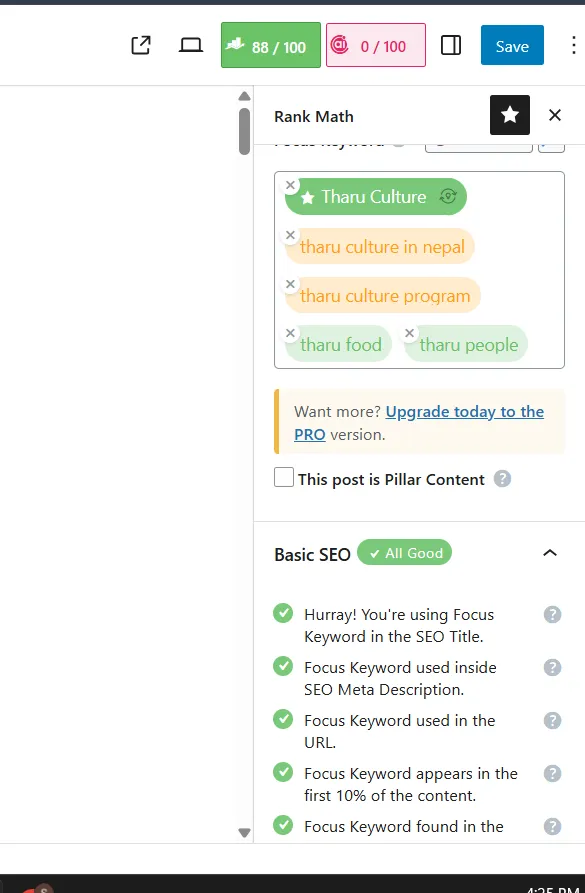
I was wrong.
The SEO Scorecard Illusion
Here's what nobody tells beginners: those plugin scorecards aren't trained on what Google actually uses to rank content. They're checking basic stuff—keyword in title, keyword in first paragraph, readability scores. Surface-level signals.
The real on-page SEO? You can't learn it from a checklist. You have to understand user intent, content depth, semantic relevance, and how search engines actually interpret your pages. None of that shows up in a red-to-green progress bar.
When I started treating that scorecard like my SEO bible, I wasted months optimizing for the wrong things. I'd force keywords into headings just to bump my score. I'd rewrite perfectly good sentences to satisfy an algorithm that Google doesn't even use. Looking back, this was one of the biggest SEO mistakes I made as a beginner.
The Client Who Fired Us Over Green Lights
We had a client once who believed in Yoast's scoring system religiously. They'd look at pages like Contact or Menu—pages that don't need traditional SEO optimization—and complain that "no SEO work has been done" because the light was red.
They ended the contract.
Looking back, I'm grateful. Working with someone who thinks SEO is just about hitting 90+ on a plugin scorecard would've been exhausting. Real SEO is about search intent, user experience, technical optimization, and content that actually answers what people are searching for.
What Beginners Should Focus on Instead
If you're just starting with SEO, forget the scorecard. Focus on these fundamentals:
Understand search intent. What is someone actually looking for when they type that keyword? Deliver exactly that. I've seen firsthand what happens when search intent matches your content—rankings follow naturally.
Write for humans first. If your content sounds robotic because you're stuffing keywords to please a plugin, you've already lost.
Learn real on-page factors. Title tags, meta descriptions, header hierarchy, internal linking, content structure—these matter. But they matter in context, not as isolated checklist items.
Use plugins as helpers, not teachers. RankMath and Yoast can remind you of technical basics, but they can't teach you strategy. That comes from experience, testing, and understanding SEO best practices beyond the myths.
The Hard Truth About SEO Scores
No plugin knows exactly what Google's algorithm prioritizes. A green light doesn't guarantee rankings. A red light doesn't mean you're doomed.
I've seen perfectly optimized pages (according to plugins) rank nowhere. I've seen "poorly optimized" pages dominate page one because they nailed user intent and provided genuine value.
Real SEO happens when you stop chasing green lights and start understanding why certain content ranks.
Want help with your project? Get in touch .