3 Hours of Keyword Research for Nothing - My SEO Breakthrough
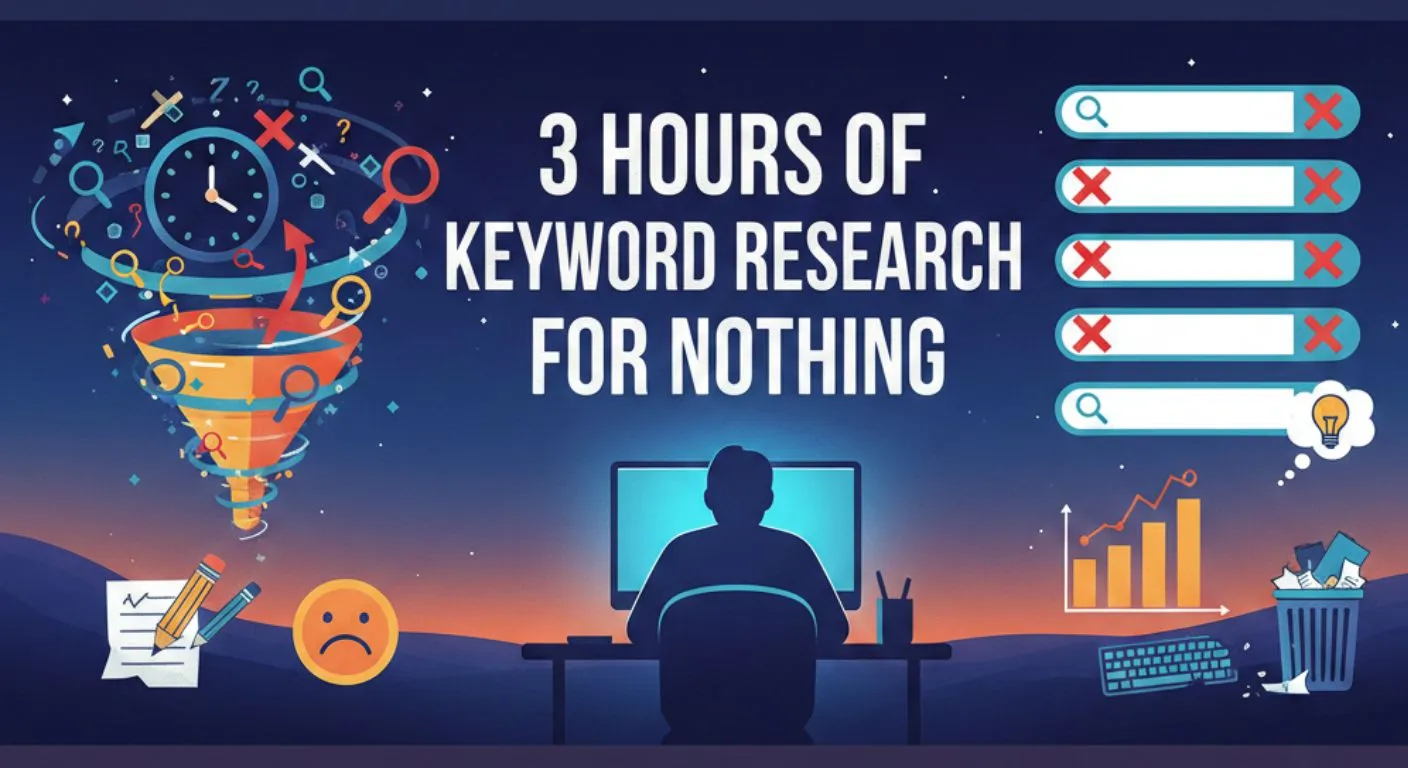
When I started my SEO journey, keyword research felt like solving a puzzle in the dark. I'd spend countless hours staring at spreadsheets, analyzing metrics, and second-guessing every choice—only to see zero results.
Sound familiar?
The Struggle Was Real
SEO keyword research was my Achilles heel. While other aspects of search engine optimization came naturally, finding the right keywords paralyzed me. My friends in the industry tried helping—walking me through Google suggestions, "People Also Ask" boxes, and competitor analysis. I devoured content from SEO giants like Semrush and Neil Patel, absorbing their keyword strategies like a sponge.
Yet something wasn't clicking.
The problem? I was following everyone else's framework without developing my own systematic approach.
My Game-Changing Discovery
After wasting three hours on fruitless keyword difficulty analysis one too many times, I developed a simple two-step method that transformed my entire process.
Step 1: Assess Keyword Difficulty First
Before diving into any keyword research tool, I determine the complexity level:
- Easy keywords: Topics I already understand or have clear commercial intent
- Complex keywords: Niche subjects requiring deeper research or technical understanding
This simple classification saves hours of aimless searching.
Step 2: Use the Right Tool for the Job
For straightforward keywords, I head straight to tools like Ubersuggest or Semrush. These platforms excel at showing search volume, competition metrics, and related terms for familiar topics.
But here's the breakthrough: For complex or unfamiliar keywords, I now use AI language models (like ChatGPT or Claude) to build my foundational knowledge first. I'll ask specific questions about the topic, understand user intent, and generate seed keyword ideas before touching any traditional tool.
The SERP Is Your Final Teacher
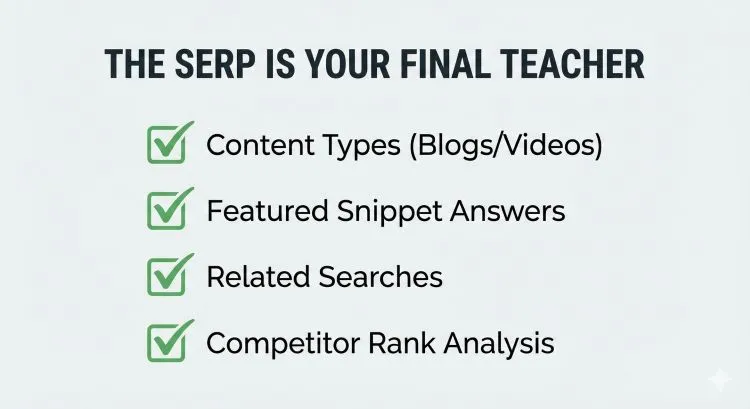
After gathering initial data, I always validate through Google SERP analysis. Here's what I examine:
- What type of content ranks (blogs, product pages, videos)?
- What questions do featured snippets answer?
- What related searches appear at the bottom?
- How competitive are the actual ranking pages?
The search results page reveals the real keyword intent better than any metric.
The Bottom Line
Effective keyword research isn't about following a rigid formula—it's about creating a flexible framework that matches your understanding level with the right resources.
Stop spending hours on research that leads nowhere. Instead:
- Classify your keyword's complexity
- Match it with appropriate tools (AI for complexity, traditional tools for straightforward terms)
- Validate everything through actual SERP analysis
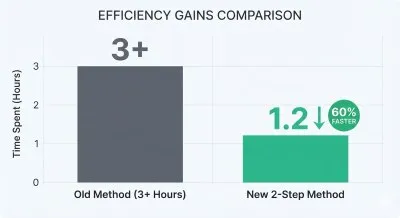
This approach cut my keyword research time by 60% while improving my ranking success rate dramatically.
The three hours I wasted? They taught me the most valuable lesson: Sometimes the best SEO strategy is simply working smarter, not harder.
Want help with your project? Get in touch .