Should You Invest in Building Backlinks?
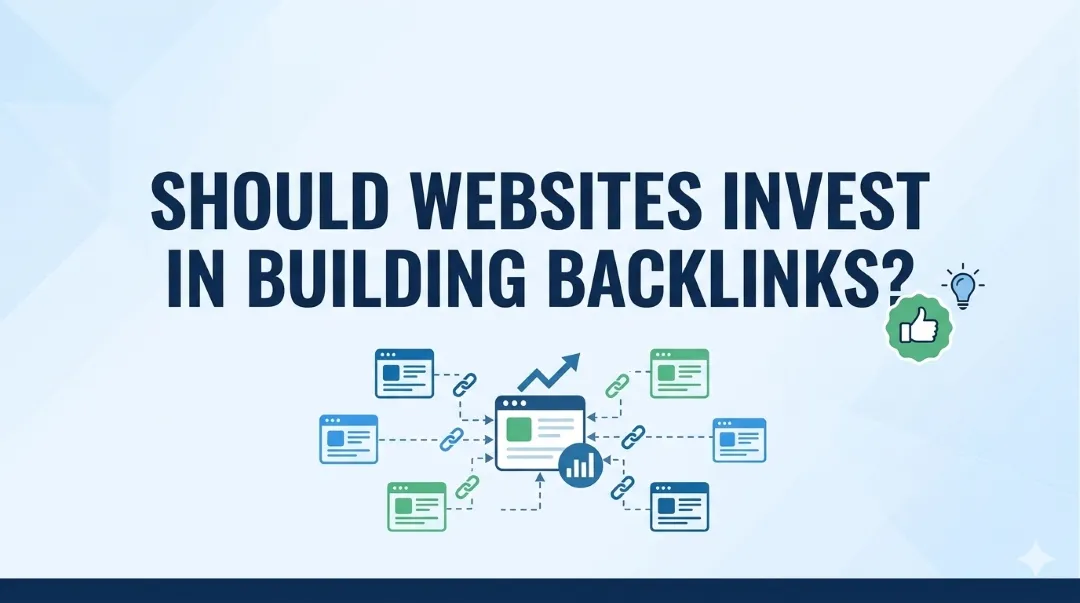
Table of Contents
- What I Used to Believe About Backlinks
- When Backlinks Are Actually Worth Investing In
- When I Tell Clients to Wait
- Do Small Businesses Even Need Backlinks?
- What Actually Makes a Backlink Good
- My Order of Operations for a New Site
- So, Are Backlinks Still Worth It?
- Frequently Asked Questions
- Are backlinks still important in 2026?
- Can a website rank without any backlinks?
- Should I buy backlinks for my website?
- How many backlinks does my website actually need?
- Is link building worth it for a small business in Nepal?
A client asked me last month if she should spend her marketing budget on backlinks.
I told her no.
Not because backlinks don't work. Because her website wasn't ready for them yet.
That answer confuses people. Everyone online says backlinks are either the secret to ranking or a complete waste of money. Neither camp is telling you the full story.
I've read Google's own documentation on this. I've watched John Mueller and Gary Illyes talk about it more times than I can count. Links still matter to Google. They just aren't the shortcut most people want them to be, and that's really the same lesson behind why I keep telling clients SEO is a long-term investment instead of a one-time purchase.
What I Used to Believe About Backlinks
When I started in SEO, I thought backlinks were the missing piece. Get enough links, watch the rankings climb. That was the whole plan in my head.
Then I worked on a real client site with almost no backlinks and it still couldn't rank. The content was thin. The internal linking was a mess. Pages weren't even structured around real search intent.
We didn't touch backlinks for the first two months. We fixed the content instead. Rewrote pages to actually answer what people were searching for. Cleaned up the internal links. Only after that did we even think about outreach. That project is honestly what made me sit down and work out whether content alone can carry a page to the top of Google, or whether it needs help.
That project changed how I look at link building. Backlinks make a good website stronger. They don't fix a broken one.
I still catch myself wanting the shortcut sometimes. Outreach feels productive. Rewriting a page for the fifth time doesn't feel like progress at all, even when it's the thing actually moving the needle.
When Backlinks Are Actually Worth Investing In
I only recommend backlinks once a few things are already true.
The technical side is clean. If Google can't crawl and index your pages properly, no amount of links will save you. Fix that first.
The content already satisfies search intent. If someone lands on your page and leaves in ten seconds, backlinks won't hold them there.
You're fighting for a competitive keyword. Finance, insurance, health, and yes, SEO itself, are full of competitors with hundreds of referring domains. You need authority to even show up.
You have something worth linking to. Nobody links to an average page. People link to original research, real case studies, useful tools, or a genuinely strong opinion piece.
If those boxes are checked, backlinks become one of the highest-leverage things you can do. It still helps to go in with realistic expectations about what SEO can and can't fix on its own, backlinks included.
When I Tell Clients to Wait
This is where I see the most money wasted, and I've made these mistakes myself early on.
Your site is brand new with five or six pages. Build out the content first. This is also just how new websites earn Google's trust in the first place, and backlinks can't skip you past that stage.
You still have broken pages, duplicate content, or a slow site. Fix that before you send anyone traffic there.
You're chasing long-tail, low-competition keywords. Solid content alone often does the job.
You're eyeing a "500 backlinks for $30" package. Run from that. I've seen those links do more harm than good months later, and I've written honestly about a few backlink mistakes from my early days that took time to undo.
Quality beats quantity every single time I've tested it.
Do Small Businesses Even Need Backlinks?
Usually, yes. But far fewer than most owners assume.
A local shop in Kathmandu doesn't need the backlink profile of a global SaaS company. I've seen small local businesses move up rankings just by working through a proper Google Business Profile optimization checklist, publishing genuinely useful content, and picking up a handful of relevant local links. That's often enough.
What Actually Makes a Backlink Good
Not every link carries the same weight. The ones that actually move the needle share four traits.
They're relevant, coming from a site that covers a related topic. They're trustworthy, from a site with real visitors and real authority. They're contextual, placed naturally inside an article instead of buried in a footer. And they're editorial, meaning someone linked because the content actually helped them, not because they got paid.
My Order of Operations for a New Site
If I were starting a website today, here's the exact order I'd follow.
Publish content that's genuinely useful first. Fix technical SEO next. Clean up internal linking, the same fix that drove a real traffic jump on one client site within six months. Go back and update older articles. Only then start earning backlinks.
That sequence gives backlinks something worth strengthening. Skip the earlier steps and you're just paying for links that a weak site can't hold onto.
It's not the exciting answer. Nobody gets excited about fixing internal links. But it's the order that actually held up every time I tested it on real client work.
So, Are Backlinks Still Worth It?
Yes. But only once your website has earned them.
Most businesses treat link building like step one. In my experience, it's closer to step four or five. Without solid content, clean technical SEO, and a page that actually satisfies the visitor, backlinks won't get you the results you're expecting.
Once those fundamentals are in place, though, quality backlinks become one of the strongest levers you have for competing on harder keywords.
The goal was never to collect as many links as possible. It's to build something people want to point other people toward.
Frequently Asked Questions
Are backlinks still important in 2026?
Yes. Google still factors backlinks into how it evaluates pages, but content quality, search intent, and user experience carry just as much weight now.
Can a website rank without any backlinks?
For low-competition, long-tail keywords, often yes. Competitive niches usually need real authority behind them, and that's where backlinks start to matter more.
Should I buy backlinks for my website?
I'd avoid bulk, cheap backlink packages. Focus on earning relevant, editorial links through content that's actually worth linking to and honest outreach.
How many backlinks does my website actually need?
There's no fixed number. It depends entirely on your competitors and the keywords you're going after. A handful of strong, relevant links usually beats dozens of weak ones.
Is link building worth it for a small business in Nepal?
Often, yes, but on a smaller scale. Most local businesses see bigger gains from Google Business Profile optimization and useful content before they ever need a serious link building budget.
Want help with your project? Get in touch .