Does Your Business in Nepal Actually Need a Blog?
Table of Contents
"Nepali people don't read blogs."
Most of the business owners have been saying it over and ignoring it often.
But here's the thing they're missing.
The real question isn't whether people read blogs or not. Either to know if the customer searches for answers before they buy from you.
Some do and some don’t. That single difference decides whether a blog is worth your time or a waste of it.
Why This Question Matters More in 2026
A few years ago, blogging was purely about ranking on Google. That's changed.
People now ask AI like ChatGPT, Gemini, and Perplexity the same questions they used to type into Google.
These tools pull their answers from somewhere, and that somewhere is usually a website that answers the question clearly and in depth. This is called Answer Engine Optimization, or AEO.
It's not a separate skill from SEO. It's what good SEO content naturally does now.
So when I talk about blogging, I'm not just talking about ranking on a search results page anymore. I'm talking about showing up inside an AI answer.
The Real Question: Does Your Customer Research Before Buying?
Forget the business category for a second.
Ask yourself this instead: before someone buys from me, do they go looking for information first?
If the answer is yes, there's a research phase. And a research phase is exactly where a blog earns its place. You show up early, answer their questions honestly, and by the time they're ready to buy, they already trust you.
If the answer is no, if your customer decides based on proximity, urgency, or who they already know, a blog won't move that needle. Your time is better spent elsewhere.
This is the framework I actually use when a client asks me if they need a blog. Not a list of business types. A question about buying behavior.
Businesses With a Long Research Cycle
These are businesses where the customer thinks, compares, and researches before committing.
Trekking and tourism companies fit here obviously. Your customers are in Europe, the US, or Australia, and they're planning for months. A post comparing Annapurna and Everest Base Camp for beginners puts you in front of someone still deciding, long before they book anything.
Colleges and educational institutions are the same story. A student asking "is KUSOM worth it" is researching weeks or months before they apply. If your content answers that honestly, you're already on their shortlist before they've shortlisted anyone.
Hospitals and clinics deal with some of the highest search volume in Nepal. Google holds medical content to a stricter standard, called E-E-A-T, so doctor-verified content doesn't just rank. It builds the kind of trust that gets someone through your door.
Lawyers, CA firms, and financial advisors win the same way. Someone searching "how to register a company in Nepal" is in research mode, not ready-to-hire mode yet. A clear, useful answer today becomes a client call next month.
Real estate agencies benefit too, since buying land or a flat in Nepal involves loans, registration, and legal steps nobody understands on the first try. Whoever explains it clearly usually gets the call when the buyer is finally ready.
Businesses With a Short or No Research Cycle
It's tempting to just say restaurants, gyms, and plumbers don't need blogs and leave it there. But that's not quite true, and I'd rather be more honest about it.
A neighborhood restaurant doesn't need a blog. Nobody searches "best dal bhat recipe" to pick where they'll eat tonight. But a destination restaurant, a rooftop venue booking weddings, or a place running cooking classes? That's a different business with a real research phase.
Same with gyms. A local gym down the street wins through proximity and word of mouth, not blog traffic. But a gym selling online coaching or supplement plans nationally is basically running an e-commerce business, and that needs content.
Plumbers, electricians, and mechanics mostly get hired because something broke and someone needs help fast. A blog explaining "how electrical wiring works" won't book that job. Local SEO and a strong Google Business Profile will do far more for you here than a blog ever could.
The honest version of this section isn't "these businesses don't need blogs." It's "blogging is rarely the highest ROI move for these businesses compared to local SEO and reviews." Some will still benefit if their model shifts toward education, online sales, or a wider service area.
Don't Just Publish Posts, Build a Topic
If you do decide to blog, publishing one post and calling it done doesn't work anymore. Google, and now AI search tools, reward sites that clearly know a subject inside out.
This is called topical authority.
Take a trekking company again. One post titled "Best Treks in Nepal" isn't enough on its own. But that same post surrounded by content on difficulty levels, packing lists, altitude sickness, permits, training, and costs?
That's a business Google and AI tools recognize as an actual authority on Everest Base Camp, not just another company with a packages page.
I've seen this play out with content marketing built specifically for SEO lead generation, where the win wasn't one viral post but a cluster of related posts all pointing back to each other. That's what actually moves rankings.
What Happens If You Skip This
If your business has a real research phase and you skip blogging entirely, you're not invisible exactly. You're just absent from the part of the journey where trust gets built. Someone else answers the question your customer was asking, and that someone else gets the inquiry.
I think of blogging less as marketing and more as a long-term investment you're making in showing up before the sale, not during it.
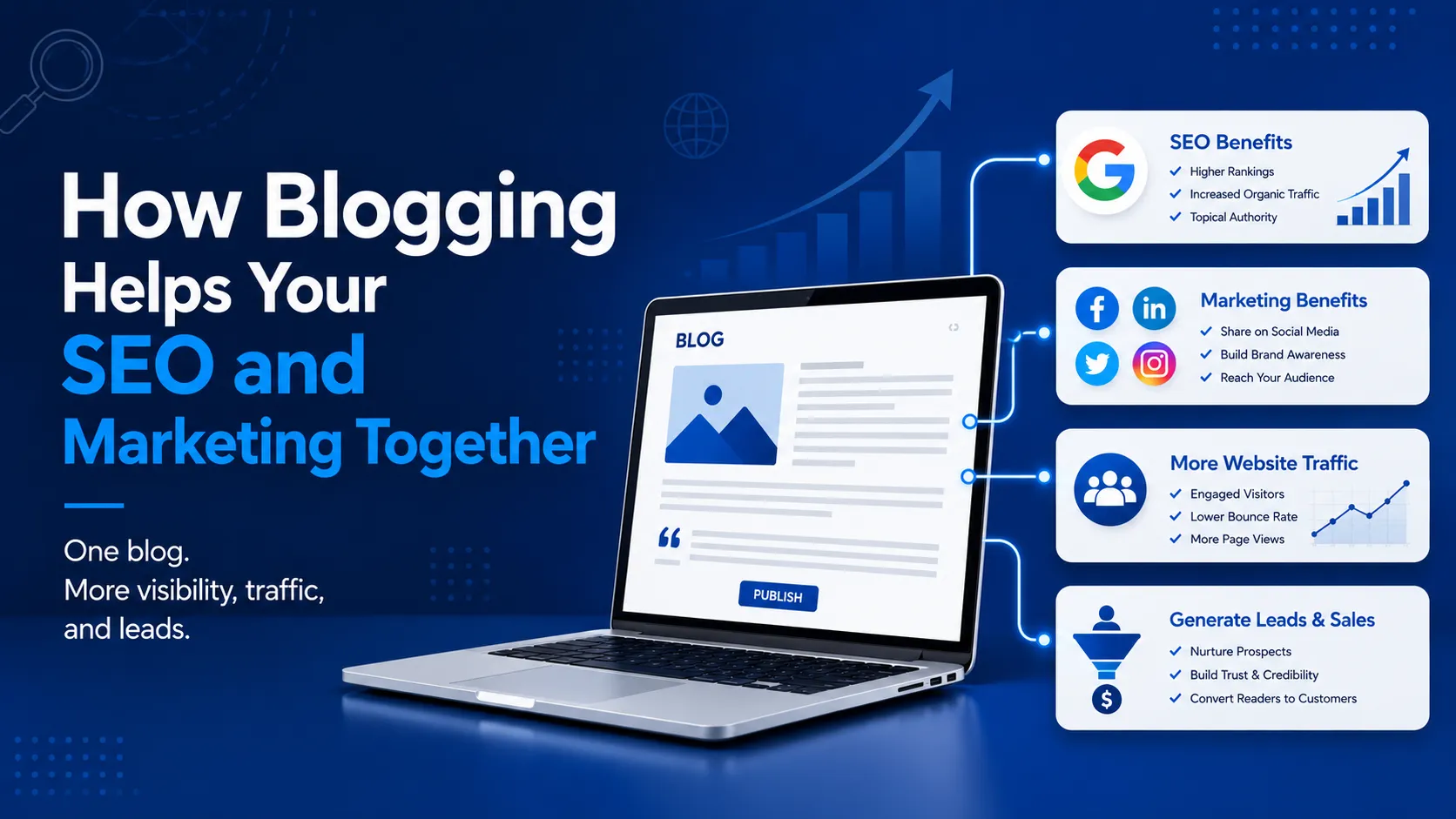
Read More: How Blogging Helps SEO and Marketing
Conclusion
Blogging in Nepal isn't dead, and it was never really about whether people here "read blogs" in the first place. It's about whether your customer needs an answer before they're ready to buy from you. Start there, and the rest of the decision makes itself.
Every business doesn't need a blog. But every business needs a content strategy that matches how its customers search and make decisions. If you'd like to identify the opportunities for your business, let's talk. I can help you create an SEO and content plan built around your goals, not generic publishing schedules.
Frequently Asked Questions
Does blogging actually help with Google rankings in Nepal?
Yes. Google works the same way in Nepal as anywhere else. Regular, useful, well-targeted content signals authority and helps you rank for the searches your customers are actually making.
How often should a Nepali business publish blog posts?
Consistency beats frequency. Two well-researched posts a month will outperform one rushed post every week, especially if each one is built around real search intent instead of guesswork.
Can a small business in Nepal afford to blog?
If you write it yourself and understand basic SEO, the cost is mostly your time. If you hire it out, expect to pay for someone who understands both SEO and your industry. For businesses with a long research cycle, the return is usually worth it.
What kind of content works for Nepali businesses targeting customers abroad?
Informational and comparison content performs best here. Think "best time to trek in Nepal" or "cost of trekking to Everest Base Camp." These are the exact searches people run while planning a trip months in advance.
We started a blog and stopped publishing. What now?
Don't delete it. Update the old posts first, then build a realistic schedule you can actually keep. A few good posts sitting untouched is a starting point, not a failure.
Want help with your project? Get in touch .