Should Your Business Invest in SEO?
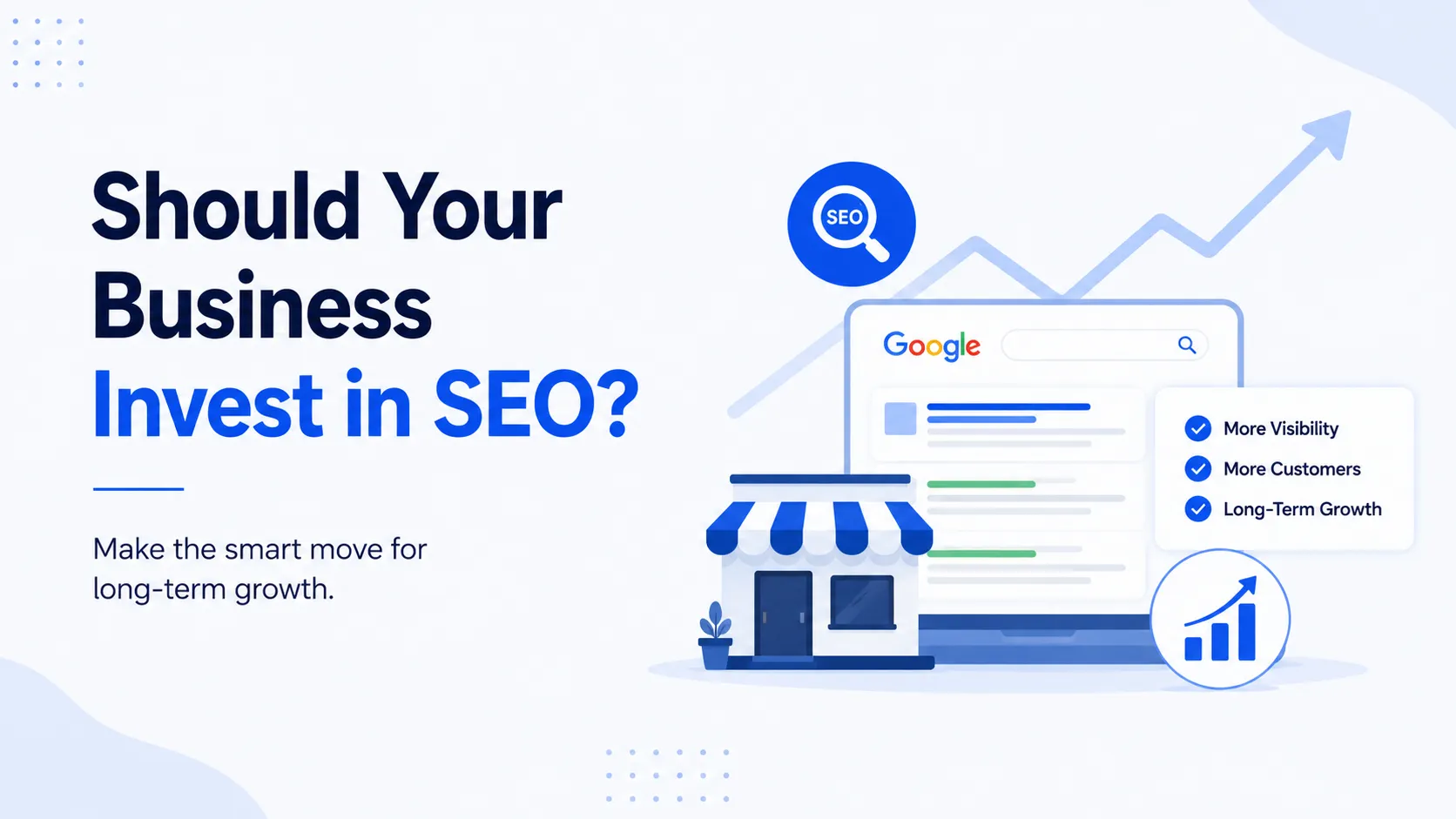
Table of Contents
- SEO Gives You Organic Reach at Every Stage of the Buyer Funnel
- SEO Builds Trusts
- SEO helps to Understand Your Customer
- SEO Quietly Support Better User Experience
- SEO Gives You a Competitive Edge
- So, Should You Invest in SEO?
- Frequently Asked Question
- How much should a small business budget for SEO in Nepal?
- How long before SEO investment shows results?
- Is SEO better than paid ads for small businesses?
- Do I need SEO if I already get customers through referrals?
- Can I do SEO myself, or do I need to hire someone?
“Should I invest in SEO, or am I wasting money?”
Many business owners are concerned about this question.
To be fair, working with many businesses, I know the real answer isn’t “yes, always”. It depends on what you’re trying to build.
So instead of selling you on SEO, let me give you the actual factors that should drive your decision to invest in SEO, and by the end, you’ll know whether it deserves a place in your budget.
SEO Gives You Organic Reach at Every Stage of the Buyer Funnel
Many times the battle between Paid ads vs SEO has been placed on. We know the paid ads stop at the exact moment your budget runs out. And SEO keeps showing up in search results long after you’ve published the content.
That matters because we know the customers don’t make decisions in just one search. Typically I find myself searching for 4 to 5 product alternatives before making a buying decision.
Each search is a chance to show up, build familiarity, and move them one step closer to choosing you.
This is the part most owners miss.
Seo isn’t just about getting found once.
Many businesses in Nepal have a huge opportunity in SEO, having a chance to get a competitive advantage. If the customer is searching for your offering, that demand exists whether you show up for it or not.
SEO Builds Trusts
When business shows up naturally for a relevant search, it carries a kind of credibility a paid placement doesn’t.
Customers read it as “Google trusts this.’ even if that’s not exactly how ranking works.
But I want to be honest here too. SEO isn’t magic, and it won’t manufacture trust out of nothing. There are real limits to what search rankings alone can promise a business, and credibility is one of those things SEO supports but doesn’t guarantee on its own.
SEO helps to Understand Your Customer
To rank for anything, you have to research what your customer actually wants and search for, in their actual words.
That process along changes how you run your business and start seeing the exact questions people ask before buying.
Most people assume they know their customer, but keyword research usually proves them wrong, or at least incomplete.
Understanding keyword research shortens the decision cycle. When your content answer the exact question a buyer has at the exact moment they have it, you skip steps in their research process.
That said, sitting in position one on Google guarantees nothing about your sales numbers if the content doesn’t match what the searcher actually needs.
If you're unsure whether this kind of customer research even applies to your business, start by figuring out if a blog is even the right format for what you're selling. Not every business benefits from one, and that's a separate decision from SEO itself.
SEO Quietly Support Better User Experience
To rank well in Google or any search engine, your website needs to be optimized betterly than your competitors. It can be loading time, mobile responsive or be easy to navigate.
These ranking signals are the exact things that make a visitor stay, browse and eventually convert.
If a website is slow and confusing, customers rarely spend time on those, and make a purchase from there. (unless you’re renowned and have better brand value)
So when you invest in SEO, you’re not just chasing for ranking. You’re uplifting the actual experience your customers have on your site.
That improvement helps every channel.
SEO Gives You a Competitive Edge
This is where SEO becomes strategic, not just tactical.
To be frank, many business in Nepal still aren’t doing SEO properly. And this gap is opportunity.
If you show up consistently while competitors don’t, you build an advantage that’s genuinely hard to copy quickly, unlike a price cut or a discount campaign anyone can match in a day.
It doesn't matter if you're a small or a large scale business, every one can compete with each other. Even a small business can big a giant company, but it must have a strategic move.
So, Should You Invest in SEO?
Here's my honest framework, stripped of the sales pitch.
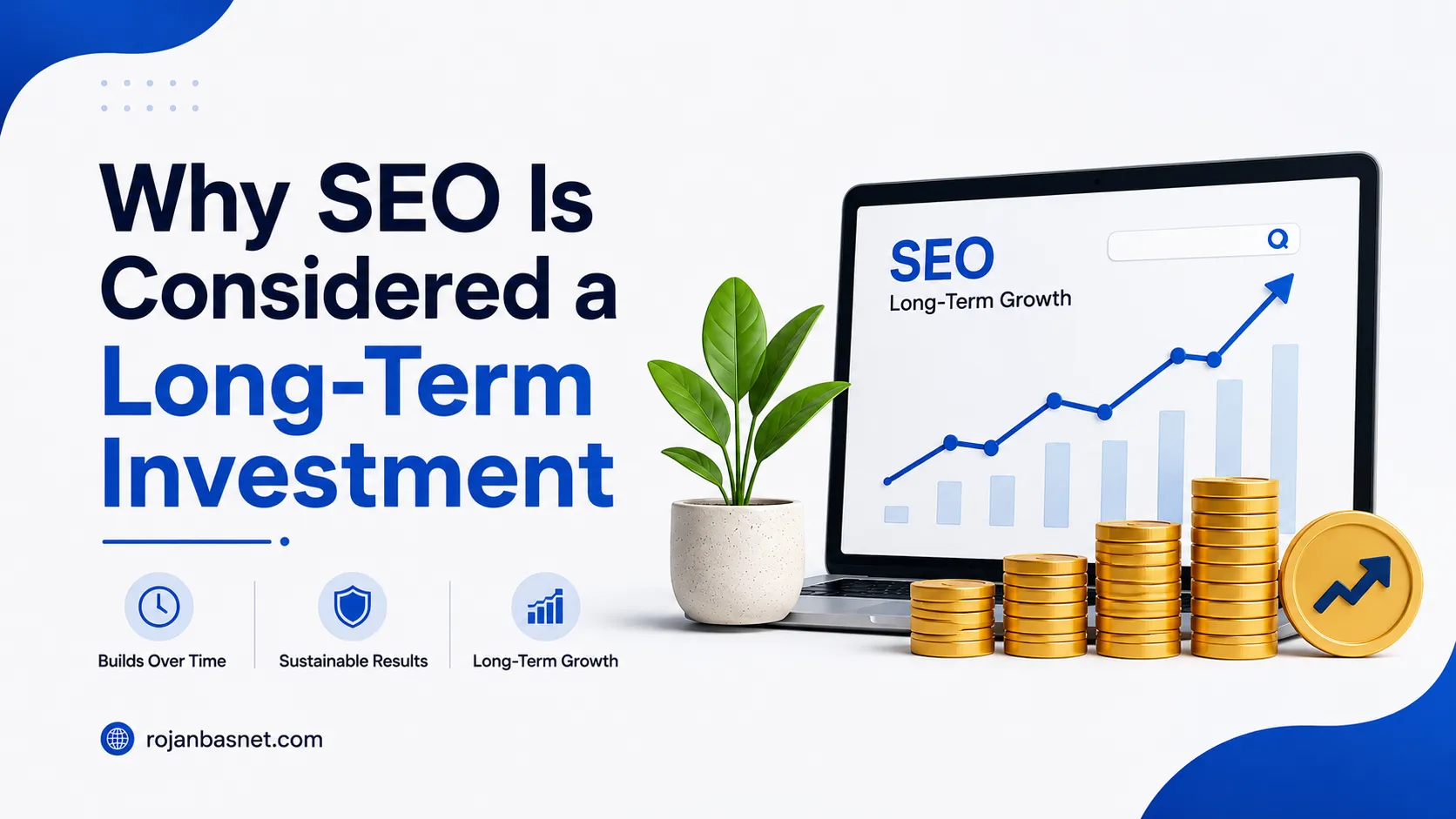
Invest in SEO if your customers search for what you sell on Google, if you can commit to at least six to twelve months before expecting real results, and if you want a marketing channel that keeps working without continuous ad spend.
Skip it, or at least delay it, if your business runs entirely on referrals with no online search demand, if you need leads this week and can't wait months, or if you're not ready to maintain content consistently.
For most Nepali businesses I've worked with, the answer leans toward yes, just not as a replacement for everything else. SEO works best alongside other channels, not instead of them. It's slower than ads, more demanding than referrals, and genuinely worth it if you give it the runway it needs.
Frequently Asked Question
How much should a small business budget for SEO in Nepal?
It depends on whether you're doing it yourself or hiring help, but even a modest monthly budget for consistent content and basic technical fixes beats an inconsistent, larger one-time spend. Consistency matters more than the total amount.
How long before SEO investment shows results?
Most businesses start seeing meaningful traffic and ranking movement around six months, with stronger results building through month twelve. New websites usually take longer than established ones with existing authority.
Is SEO better than paid ads for small businesses?
Neither replaces the other. Ads work faster for immediate leads, while SEO builds a channel that keeps producing without ongoing spend. Most businesses benefit from running both, even at a small scale.
Do I need SEO if I already get customers through referrals?
Referrals are valuable, but they cap your growth at the size of your existing network. SEO opens you up to customers actively searching for your service who have no connection to your current clients.
Can I do SEO myself, or do I need to hire someone?
You can learn the basics yourself, especially content and keyword research. But technical SEO and ongoing strategy usually benefit from outside help once your website or content volume grows beyond what you can manage alone.
Share
Want help with your project? Get in touch .